
CDFI Key Priorities
CDFIs Lend Where it Counts
Economic opportunity often starts with access to capital through loans. These loans then support anchors of the vibrant communities where we all want to live: jobs, affordable housing and health centers, libraries and schools, and other essentials.
Yet, millions of bright, talented, hardworking Americans can’t access fair capital because of background, geography, or income levels or because they don’t have experience or assets to leverage. The COVID-19 pandemic, a growing wealth gap, and persistent poverty have deepened these capital challenges across rural, urban, and Native communities.
CDFIs drive capital to people and places underserved by mainstream finance to support small businesses, affordable housing, community facilities, health care, energy efficient development, and more.
These challenges are the key priorities of CDFIs. We lend where it counts to help people start businesses, buy homes, and build wealth. Our investments in people and places create jobs, build homes, and help communities thrive.
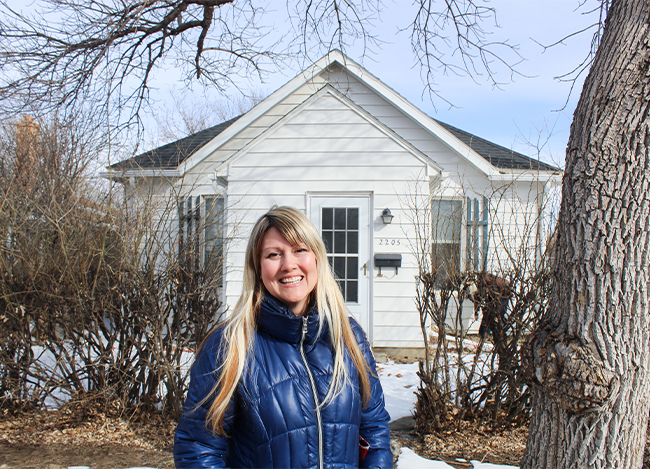
Affordable Housing
Across the U.S., millions of families are unable to afford a safe, decent, energy-efficient place to rent or buy. Quality stock doesn’t exist, or they are priced out of it. CDFIs finance affordable housing development and many offer home mortgages for people with low-incomes who dream of homeownership.

Economic Opportunity
All Americans deserve a fair chance to grow wealth for themselves and their families. But the wealth gap continues to make it nearly impossible for millions of Americans to build financial health. CDFIs are committed to helping close the wealth gaps and advance economic opportunity.

Financial First Response
Nationwide, CDFIs are financial first responders that help small businesses, nonprofits, and homeowners survive the economic impact of natural and manmade disasters. For example, CDFIs were pivotal lenders during the pandemic.
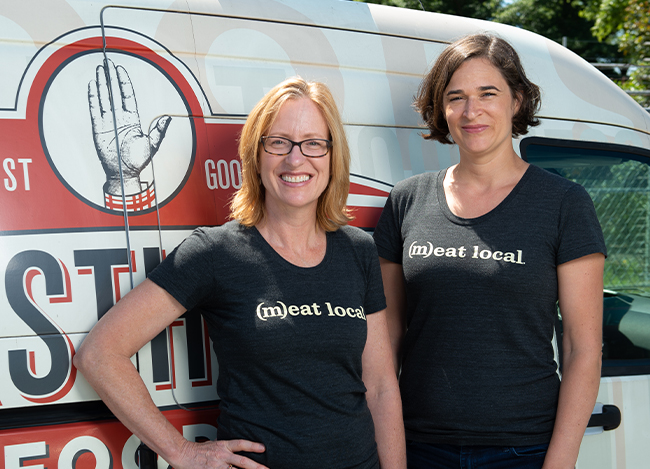
Healthy Communities
The pillars of healthy lives and communities are healthy food, accessible, affordable health care, and consumer-focused financial institutions. But nationwide many communities are healthy food, health care, and bank deserts. CDFIs use traditional and innovative solutions to bring these vital assets to communities needing them most.
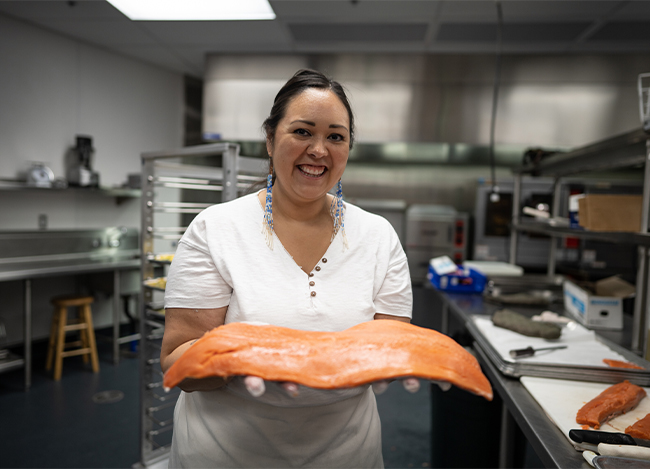
Native Finance
Indian country is extremely underserved by mainstream finance — reservations and tribal lands are often bank deserts. CDFIs — Native and otherwise — fill the tremendous gaps in economic opportunity for Native peoples, especially in rural areas, providing access to credit, equity, and financial support.

Persistent Poverty
Defined as 20 percent or more of an area’s population living in poverty for 30 years or more, persistent poverty affects 37 million people nationwide. Roughly 40 percent of CDFI lending is in persistent poverty areas across America.

Rural Revitalization
Rural America is filled with strength and opportunity but is too often underestimated and underinvested by traditional lenders. CDFIs believe rural communities are worthy of investment. Many finance rural growth and talent.
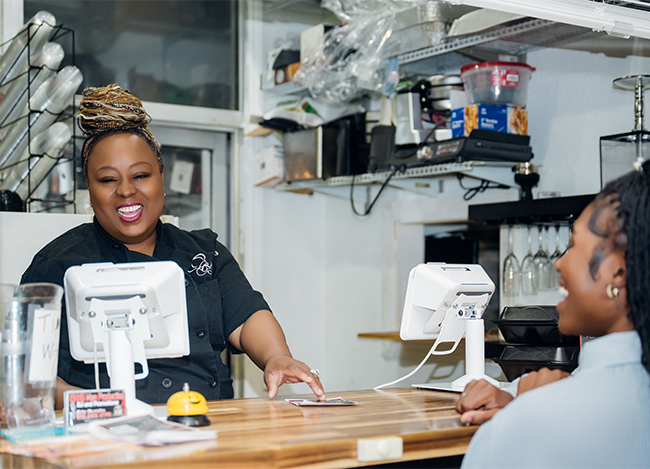
Small Business
For new and budding entrepreneurs, especially from minority communities, small business startup and growth financing is elusive. Where traditional lenders see risk, CDFIs see opportunity and lend to hardworking people who may not fit typical small business lending criteria.

Sustainability
Low-income communities are unequally impacted by extreme weather and other natural disasters. They are more likely to be exposed to weather and heat risks and are more susceptible to its damage. Many CDFIs finance sustainable businesses and energy efficiency upgrades and development to help communities build resiliency.
CDFIs Provide Responsible Capital and much more
Unlike traditional banks, CDFIs specialize in lending to individuals, organizations, and businesses in under-resourced communities, offering borrowers the financial education, business coaching, and low-interest rate loans to increase their economic potential.