Sustainability
Extreme Weather and Other Natural Disasters Disproportionately Hurt Low-income, Low-wealth Communities
These communities have always been more vulnerable to the effects of a warmer climate, whether living in flood-prone neighborhoods or being unable to afford the high energy costs associated with air conditioning. They’re also more vulnerable to the negative health impacts associated with greenhouse gas emissions and other air pollutants, such as asthma and related respiratory conditions.
CDFIs Are Financing Solutions
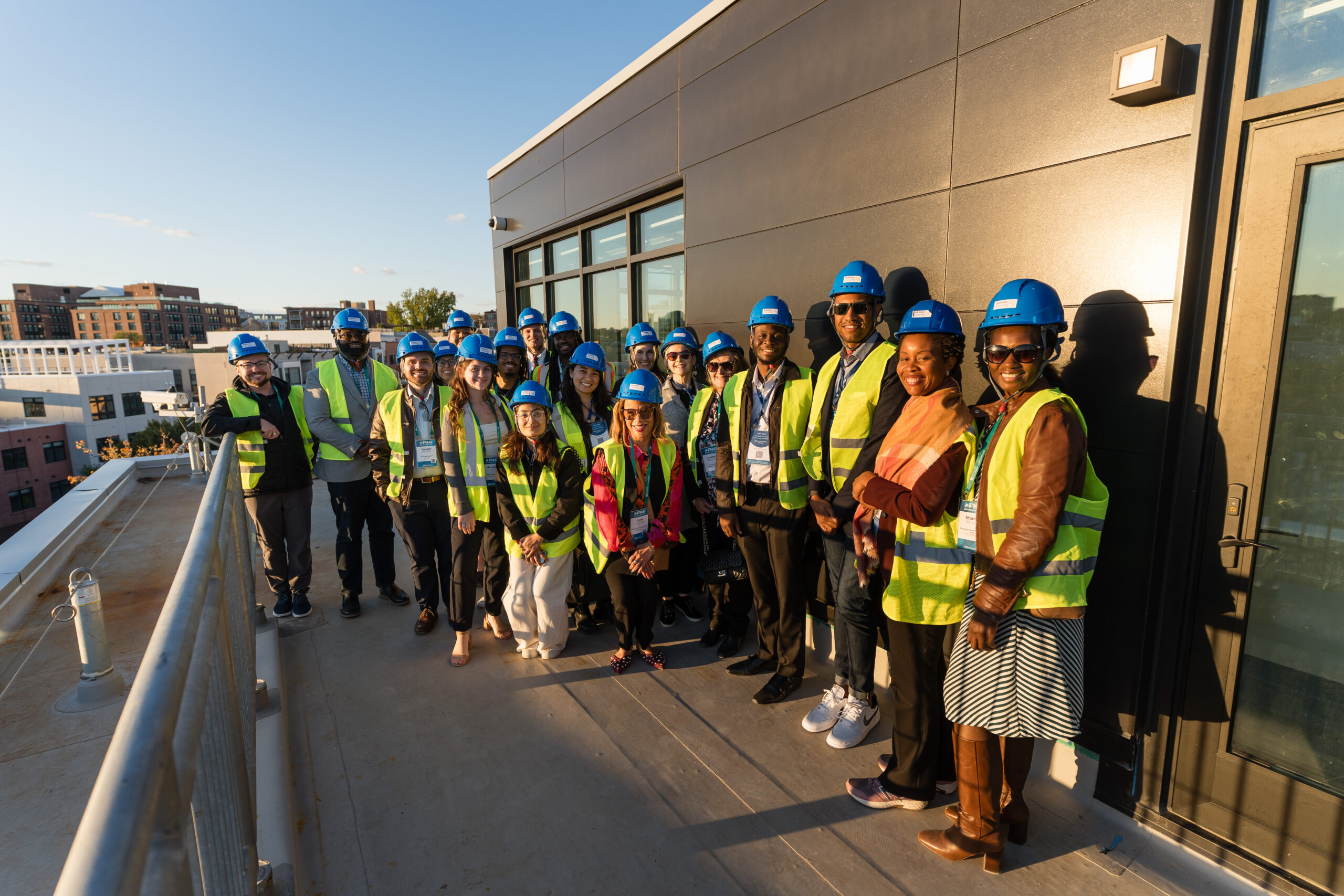
Clean energy and other sustainability solutions are expensive and often out of reach for low-income communities. However, CDFIs and other specialized mission lenders understand these communities and help meet their financing needs for risk mitigation.
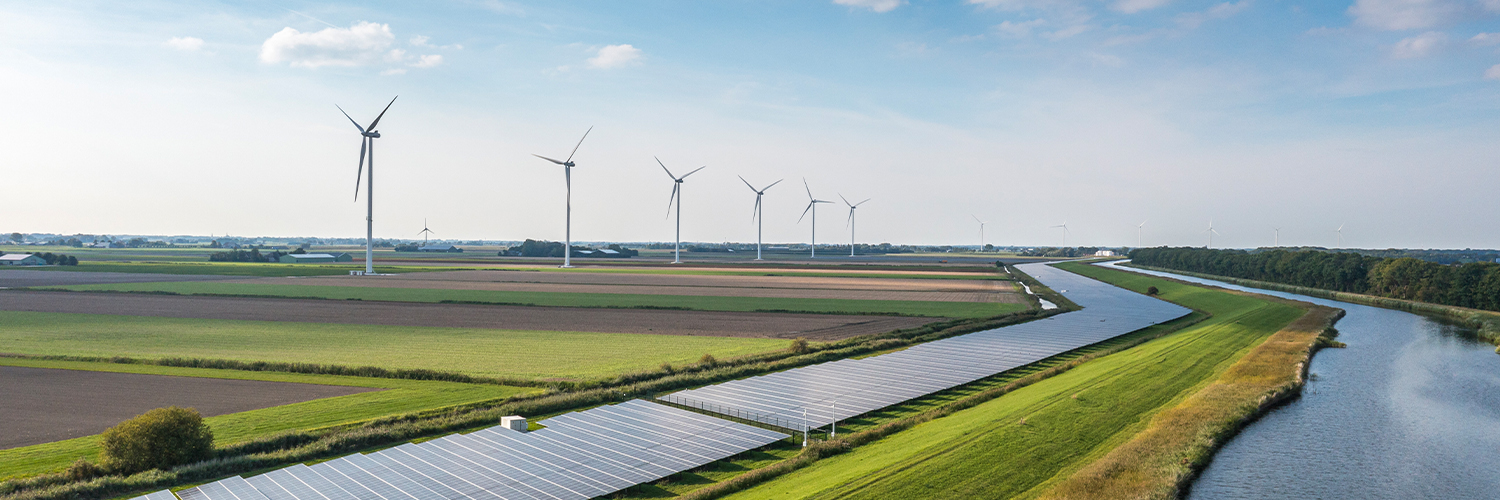
CDFIs finance energy efficiency and weatherization upgrades for older homes, clean energy projects, and sustainable businesses. CDFIs in rural, urban, and Native communities are increasingly investing in and helping communities transition to new economic engines, such as transitioning to renewable energy.
More than lenders, CDFIs also offer training and coaching to help people learn new jobs skills in clean energy, building a green economy that benefits people and the planet.
Currently, 55% of OFN’s member CDFIs offer green lending products to support clean energy production and energy efficiency projects.
Explore the content below to learn more about how OFN members are financing sustainable solutions in their communities or browse our CDFI sustainability impact stories.